
Why HVAC and Refrigeration Fight Each Other and How to Stop It
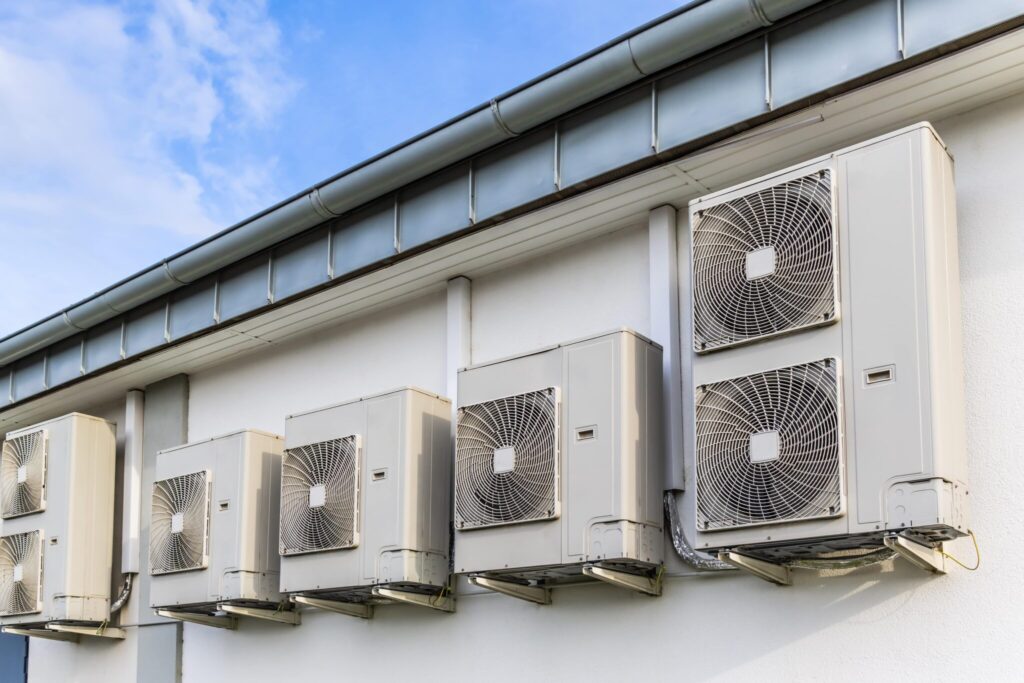
How case heat discharge, airflows, and setpoints cause wasted HVAC runtime, and how to get both systems working in sync.
The Most Common Utility Billing Errors Affecting Refrigerated Facilities
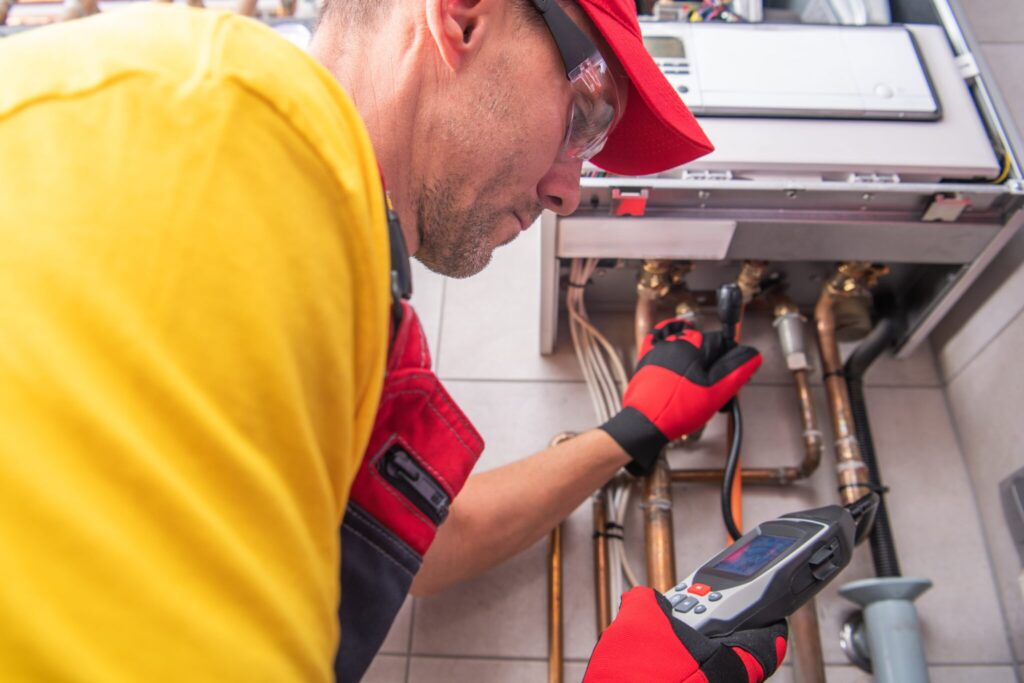
A look at the billing issues we see most often, and how operators can identify and correct them.
How to Reduce Demand Spikes Caused by Compressor Staging
How to Reduce Demand Spikes Caused by Compressor Staging
The Hidden Cost of Defrost Drift in Refrigerated Facilities
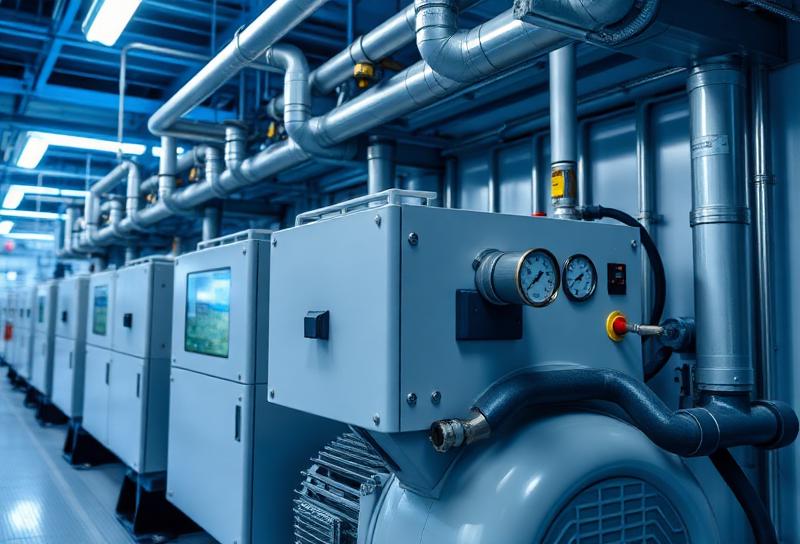
Why defrost schedules drift over time, how this affects energy use and temperature stability, and how to restore proper performance.
Why Grocery Stores Experience Overnight Load Spikes, and How to Reduce Them
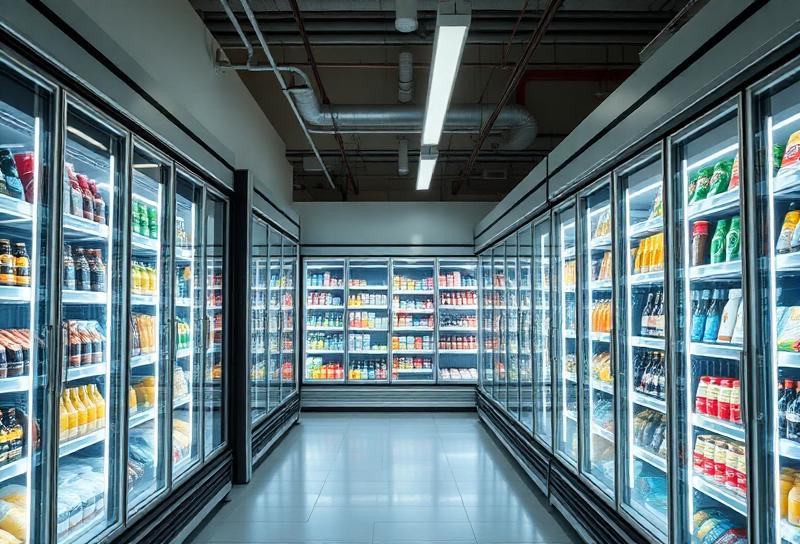
How nighttime defrost cycles, compressor behavior, and HVAC interactions create unexpected kW peaks—and what operators can do to smooth them out.
Thermal banking for cold storage (15-minute checklist)
Use your box as a battery. Pre-cool before peak, then glide through the on-peak window while staying within safe temperature bands.
Dealership savings — EV charging caps + lot-lighting policy

Auto dealerships can cut 12–18% by managing EV charging and lot lighting—without hurting sales or customer experience.
What we check in a 10-minute bill screen

Here’s the fastest way to spot 10–20% savings from a single utility bill. No site visit. No hardware. UtilityAPI lets us retrieve your data securely with your approval.
Demand charges 101 (and 7 quick fixes)
Demand charges bill you for your highest 15–60 minute average kW during a billing cycle. One bad spike can cost you all month. The goal is to avoid coincident peaks by adjusting when and how loads start.